

Cedar management involves selective thinning, removal, and clearing where appropriate, and it is one of the most common needs for new landowners. The native Ashe juniper (also referred to as a cedar tree) is an important species in our natural environment, contributing to soil retention and new soil production while also providing habitat and food for native wildlife, including the endangered Golden-cheeked warbler. However, when left unmanaged, the fast-growing Ashe juniper can quickly overrun large areas of forests and grasslands, outcompeting for available groundwater, soil nutrients, and light.
Cedar management in the Texas Hill Country is not about removing every tree. It is about restoring balance across your land in a way that supports productivity, ecological health, and long-term sustainability.
At Texas Wildscapes Billy Goat Clearing, we take a strategic and sustainable approach to managing Ashe juniper, commonly known as cedar. When left unmanaged, cedar can quickly dominate the landscape, reducing water availability, limiting native plant growth, and creating dense conditions that increase wildfire risk.
Our goal is not elimination. It is intentional management.
Every tree matters, and every client is part of our growing family. If you’re looking for unbeatable land restoration services that combine professional expertise with a personal touch, look no further.
Cedar (Ashe Juniper) is known for spreading quickly and forming dense canopies that limit biodiversity and water availability.
When managed properly, your land can:




1. On-Site Consultation and Land Walk
Every job begins with a detailed walkthrough. We assess your property’s vegetation, slope, hardwoods, and wildlife zones. Then we listen to your goals whether it’s fire mitigation, pasture restoration, or prepping for a build and design a plan that reflects your vision without compromising land integrity.
2. Selective Clearing with Specialized Equipment
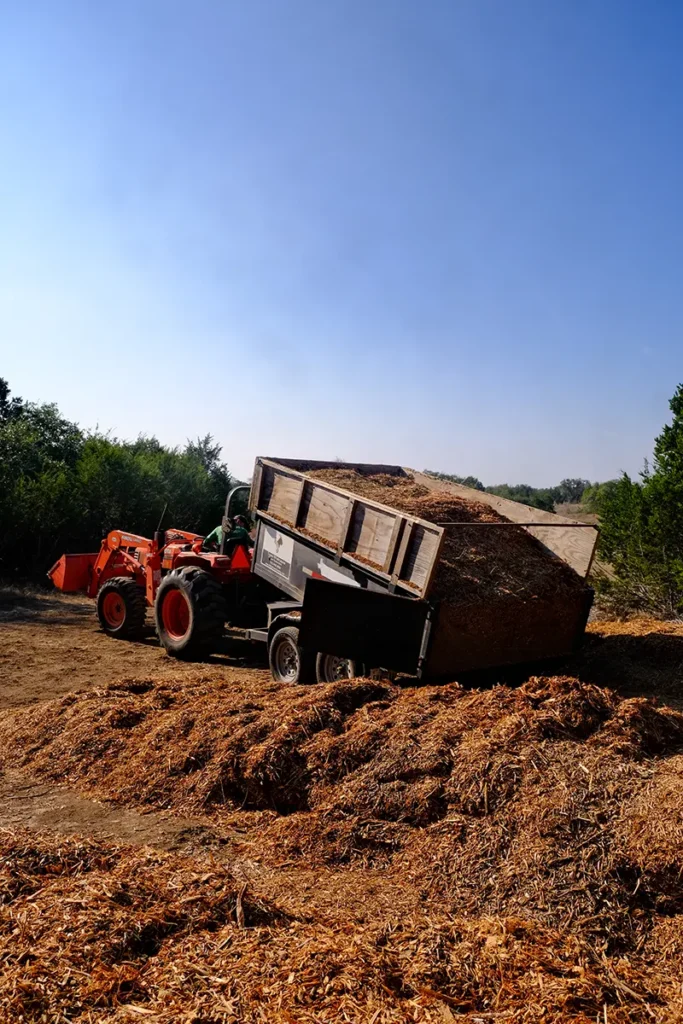
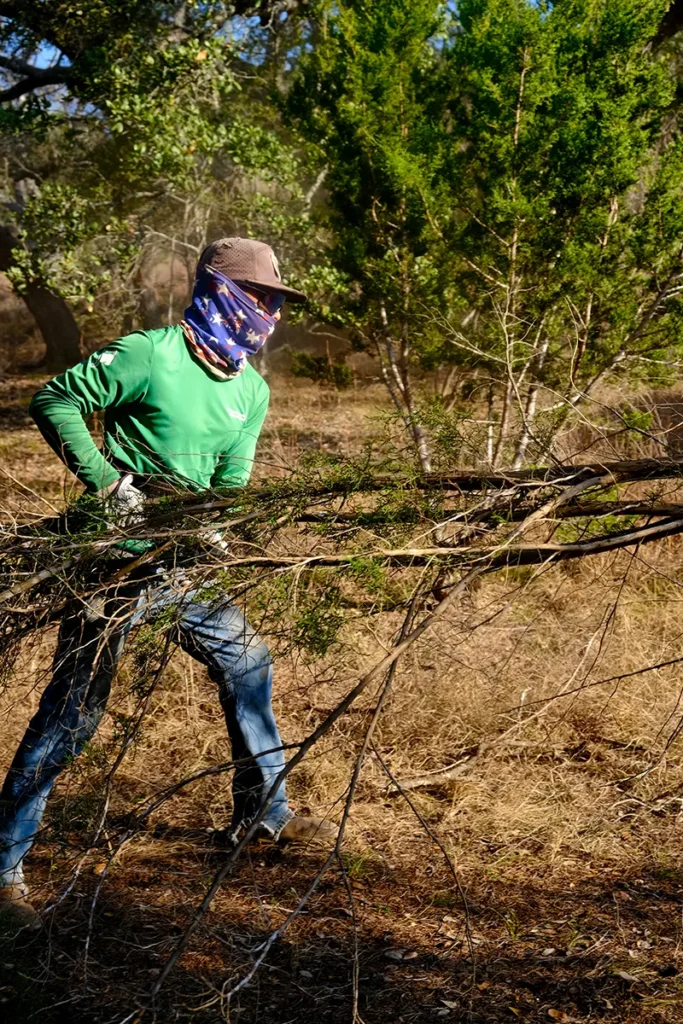
Using low-impact forestry equipment, we manage cedar thickets, clear brush and remove hazardous deadfall, all while leaving behind intact native hardwoods and preserving vital root structures. This keeps your soil stable, encourages native growth, and maintains your land’s natural drainage and water retention systems.
3. Final Cleanup and Site Readiness
We perform a thorough cleanup to remove debris and prepare the area for its next phase whether it’s planting, fencing, or simply enjoying the view. We leave your property clean, walkable, and ready for whatever comes next.
To help landowners in the Texas Hill Country reclaim the natural beauty and productivity of their properties, Texas Wildscapes’ Billy Goat Clearing specializes in professional cedar management and storm damage remediation in forested areas. Proper management of the profligate Ashe juniper (commonly referred to as a cedar tree) is an important component of the long-term health of your forests, grasslands, and wildlife habitats. Complete cedar removal may be ideal in some areas (e.g., reclamation of grasslands) or for specific applications (e.g., for fire breaks, fence-lines, or trails). Alternative management techniques, such as selective cedar thinning and careful cleanup of storm damaged trees, may be a better option when the goal is to retain important wildlife habitat, encourage healthy forest growth, increase groundwater retention, and protect against soil erosion.
After the initial land restoration work is completed, new cedar growth will occur around and underneath existing trees and within grasslands as Ashe juniper seeds from other areas are spread by wildlife. Periodic, routine monitoring and scheduled maintenance is recommended every 5 to 7 years to control new-growth cedar and inspect the overall condition of forested areas. Texas Wildscapes’ Billy Goat Clearing is your reliable partner in establishing and maintaining healthy forests and grasslands. As your neighbors in Hays County and the Texas Hill Country, we offer professional land restoration services that respect land and water conservation efforts, as well as the sustainability of limited natural resources. Call us now for an on-site consultation to find out how our high-quality cedar removal, cedar thinning, and storm damage remediation services can help you transform your property into a beautiful and useful wildscape!



We take pride in contributing to the health and beauty of the wildscapes across the central Texas Hill Country, ensuring these communities can enjoy the splendor of well-maintained trees, forests, and grasslands:
Cedar tree management is the selective removal and thinning of Ashe juniper (commonly called cedar) to restore balance to the land. Proper management improves soil health, increases water availability, restores native grasses, and creates healthier wildlife habitats—without stripping the land bare.
Cedar trees spread aggressively in Central Texas and the Hill Country. Left unmanaged, they:
Thoughtful cedar management helps landowners protect their land for future generations while improving usability, beauty, and ecological health.
Cedar trees are not inherently bad, but overgrowth is harmful. When cedar populations grow unchecked, they outcompete native plants and disrupt the natural ecosystem. Our approach focuses on balance—not eradication—preserving beneficial trees while restoring the land’s natural rhythm.
Removing excess cedar allows rainfall to:
Landowners often notice new grass and groundcover growth and better water retention within one or two growing seasons.
When done improperly, yes.
When done correctly and selectively, cedar management actually reduces erosion by allowing native grasses to regrow. Grass root systems stabilize soil far better than dense cedar canopies that block sunlight and prevent ground cover.
Our cedar management process evaluates:
The result is healthier land, not stripped land.
Cedar management is not a one-time fix. Most properties benefit from:
This keeps cedar from reclaiming the land and ensures long-term success.