
Strategic cedar management in the Texas Hill Country designed to restore balance, improve water retention, and create usable land.
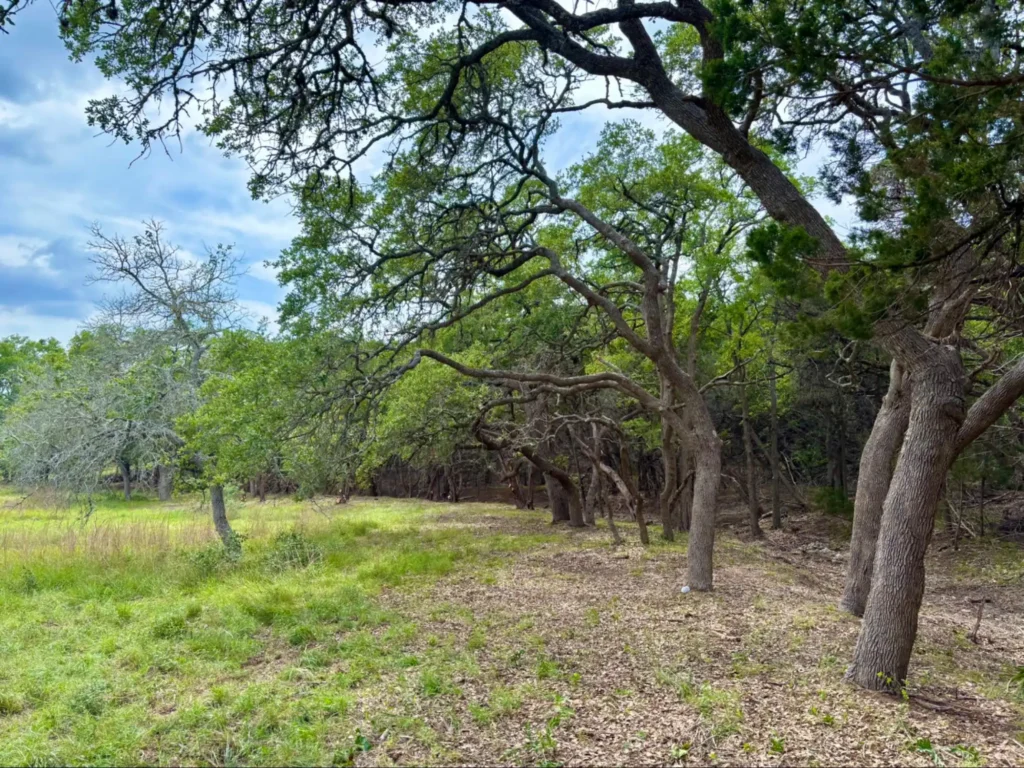
Grassland reclamation is the process of restoring overgrown or degraded land back to healthy, productive grassland.
In the Texas Hill Country, cedar encroachment, invasive vegetation, erosion, and years of neglect can reduce native grass growth, limit wildlife habitat, and impact the long-term health of the land.
Through strategic land management, we create the conditions for native grasses to return by reducing competition, improving sunlight penetration, and restoring balance to the ecosystem.
Healthy grasslands help:
At Texas Wildscapes Billy Goat Clearing, we don’t believe in stripping the land. We believe in restoring it.
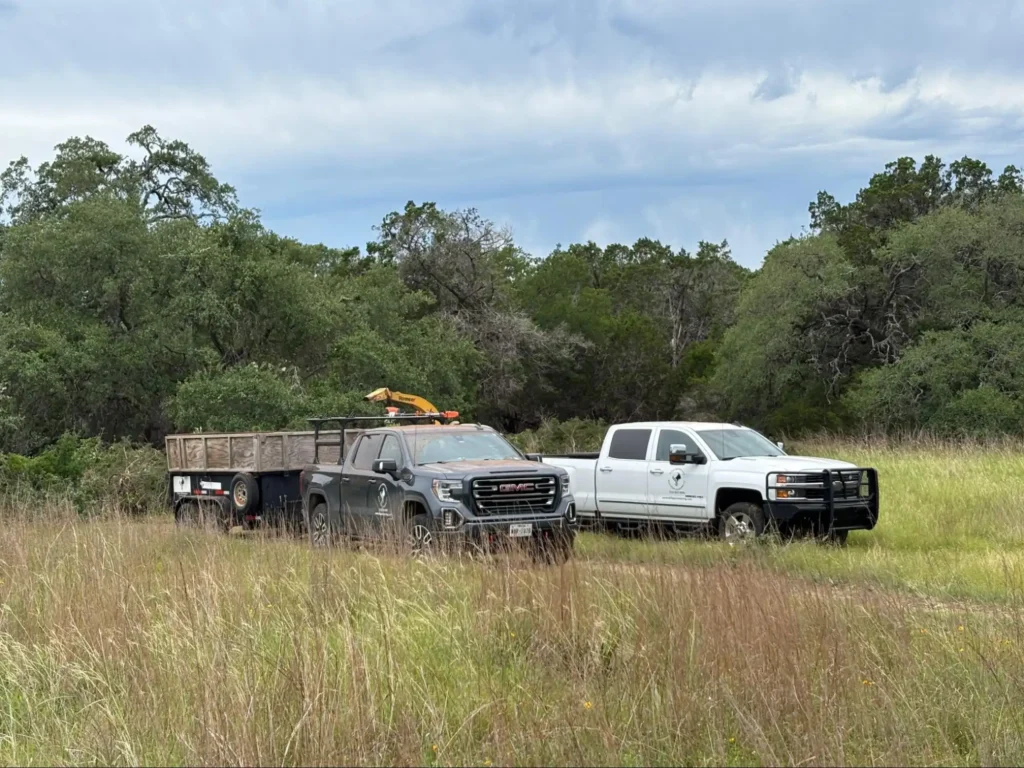
Every tree matters, and every client is part of our growing family. If you’re looking for unbeatable land restoration services that combine professional expertise with a personal touch, look no further.
Lightest Environmental Footprint
Restores Health and Biodiversity
Helps Mitigate Wildfire Spread and Intensity
Improves Land Usability
Family-Owned and Local Landowners
With three generations of hands-on land experience, we offer reliable service and honest advice. As local landowners in the Wimberley area, our customers are also our hill country neighbors.
1. On-Site Consultation and Land Walk
Every job begins with a detailed walkthrough. We assess your property’s vegetation, slope, hardwoods, and wildlife zones. Then we listen to your goals whether it’s fire mitigation, pasture restoration, or prepping for a build and design a plan that reflects your vision without compromising land integrity.
2. Selective Clearing with Specialized Equipment
Using low-impact forestry equipment, we manage cedar thickets, clear brush and remove hazardous deadfall, all while leaving behind intact native hardwoods and preserving vital root structures. This keeps your soil stable, encourages native growth, and maintains your land’s natural drainage and water retention systems.
3. Final Cleanup and Site Readiness
We perform a thorough cleanup to remove debris and prepare the area for its next phase whether it’s planting, fencing, or simply enjoying the view. We leave your property clean, walkable, and ready for whatever comes next.



We take pride in contributing to the health and beauty of the wildscapes across the central Texas Hill Country, ensuring these communities can enjoy the splendor of well-maintained trees, forests, and grasslands:
Grassland reclamation is the process of restoring native grasses and healthy ground cover to land that has been degraded by cedar overgrowth, invasive plants, erosion, or long-term neglect. Healthy grasslands are essential for soil stability, water retention, wildlife habitat, and long-term land productivity.
Native grasslands:
Grassland loss commonly results from:
In many cases, native grasses will naturally regenerate once cedar and invasive species are managed. When additional support is needed, restoration may include:
The goal is always to encourage the land’s natural recovery whenever possible.
Signs your land may benefit include:
A professional evaluation helps determine the right path forward.